Property Registry in Pakistan (2026): The Complete Legal Guide to Safe Property Ownership & Investment

Why Property Registry Matters More Than Ever in Pakistan’s Real Estate Market
In 2026, understanding property registry in Pakistan is no longer optional—it is essential. As real estate activity grows across major cities, legal clarity has become the single most important factor separating safe investments from costly mistakes.
Whether you are a first-time buyer, an overseas Pakistani investor, or a seasoned property holder, proper registry, mutation, and verification determine whether your ownership is legally protected or permanently vulnerable.
This guide explains the entire property registration process in Pakistan in clear, practical terms—without legal confusion, jargon, or assumptions.
What Is Property Registry in Pakistan?
Property registry is the official legal process through which ownership of a property is recorded with government authorities. It establishes who legally owns a property and protects the buyer against future disputes, fraud, or illegal claims.
Without registry, possession alone does not guarantee ownership.
In Pakistan, registry is typically recorded at the local land revenue office or registrar office, depending on the property type and location.
Registry vs Mutation: Understanding the Difference
Property Registry
Registry is the legal transfer of ownership through a registered sale deed. It confirms that a transaction has legally taken place between buyer and seller.
Mutation (Intiqal)
Mutation updates government land records to reflect the new owner’s name for taxation and record-keeping purposes. Mutation alone does not replace registry—it complements it.
Both registry and mutation are required for complete legal ownership.
Types of Properties That Require Registration
- Residential houses and apartments
- Residential plots
- Commercial properties
- Agricultural land (with additional conditions)
Each category may involve slightly different documentation, but the legal principle remains the same.
Step-by-Step Property Registration Process in Pakistan (2026)
Step 1: Verification of Ownership Documents
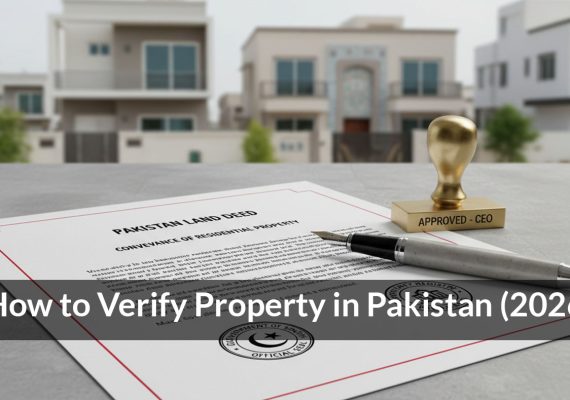
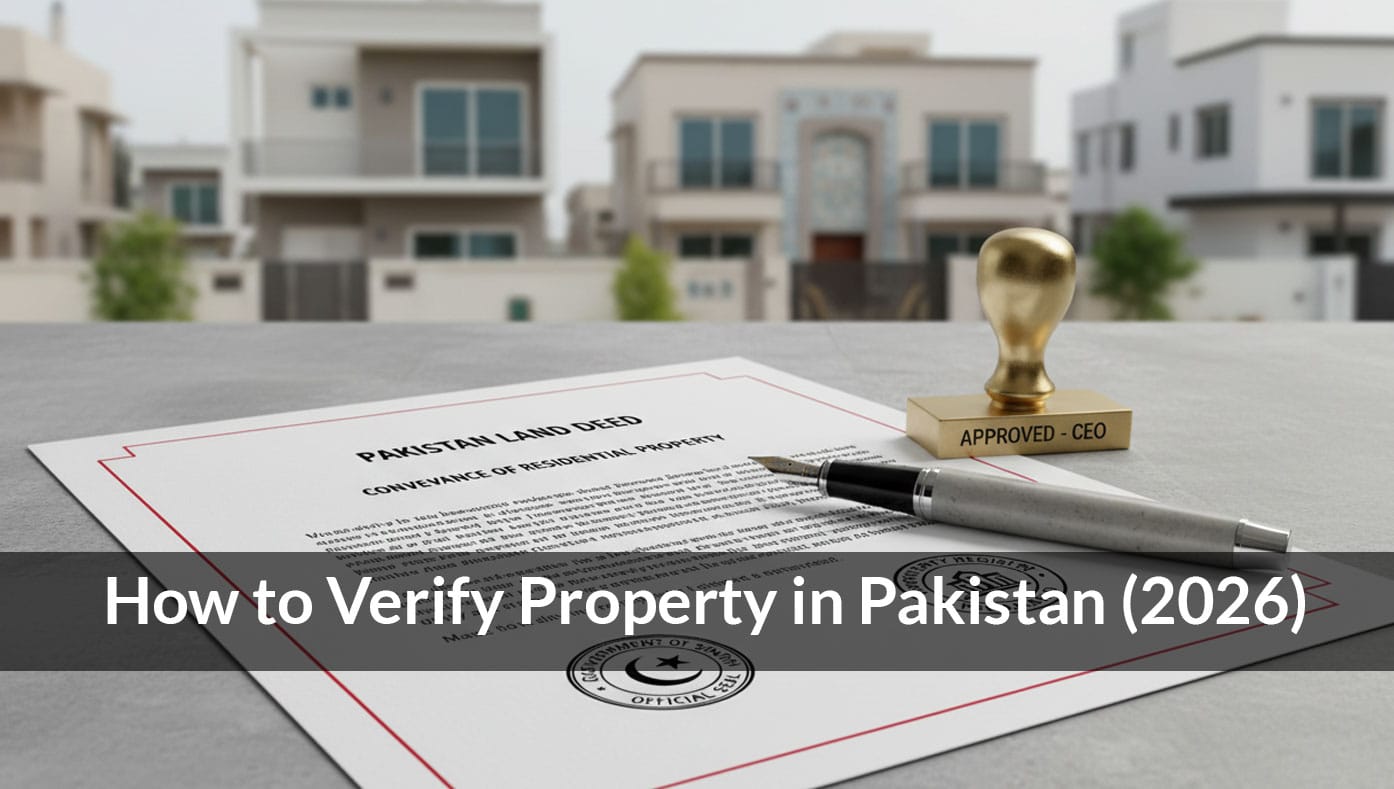
Before any payment, the buyer must verify that the seller is the legitimate owner. This includes checking title documents, previous sale deeds, allotment letters, and authority approvals.
Step 2: Confirm Development Authority Approval
Authority approval is critical. Properties governed by approved authorities carry legal legitimacy and resale value.
Step 3: Sale Agreement Preparation
A sale agreement outlines payment terms, possession timelines, penalties, and obligations. This document protects both buyer and seller before final registry.
Step 4: Payment of Stamp Duty & Taxes
Stamp duty, capital value tax, and registration fees must be paid as per provincial regulations. Rates vary between Punjab, Sindh, and Islamabad.
Step 5: Registry at Registrar Office
The buyer and seller appear before the registrar with witnesses. Biometric verification and official documentation complete the legal transfer.
Step 6: Mutation in Land Records
After registry, mutation updates the government land record in the buyer’s name, completing the ownership cycle.
Common Mistakes Investors Make During Property Registry
- Relying on possession without registry
- Skipping authority verification
- Incomplete payment documentation
- Using unofficial intermediaries
- Delaying mutation after registry
These mistakes often lead to disputes, resale issues, or financial loss.
Property Registry for Overseas Pakistanis
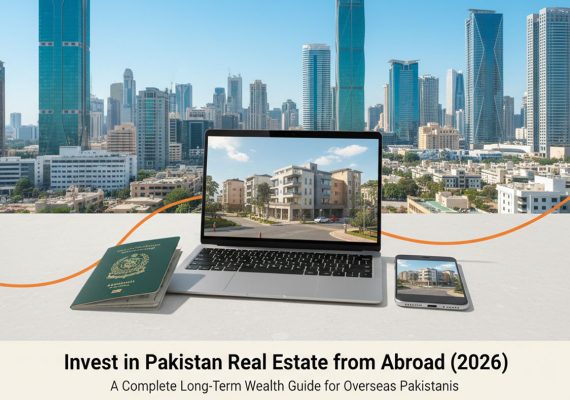
Overseas Pakistanis frequently invest remotely, making legal clarity even more critical. Power of attorney, biometric verification, and trusted representation are essential components of overseas transactions.
Professional guidance minimizes risk and ensures compliance.
Registry Rules in Major Cities
Karachi
Karachi property registry often involves KDA, SBCA, and cantonment authorities depending on location.
Lahore
Lahore properties fall under LDA or private housing authorities. Digital land records have improved transparency.
Islamabad
Islamabad maintains stricter zoning and registry compliance under CDA oversight.
Why Registry Protects Long-Term Property Value
Registered properties sell faster, attract institutional buyers, and retain higher market value. Registry is not a formality—it is the foundation of property liquidity and investor confidence.
Why Investors Trust Aeon & Trisl for Secure Property Transactions
Aeon & Trisl ensures that every transaction is backed by document verification, authority compliance, and transparent registry support. Investors benefit from reduced risk, smoother transfers, and long-term security.
Explore verified opportunities at aeontrisl.pk.